
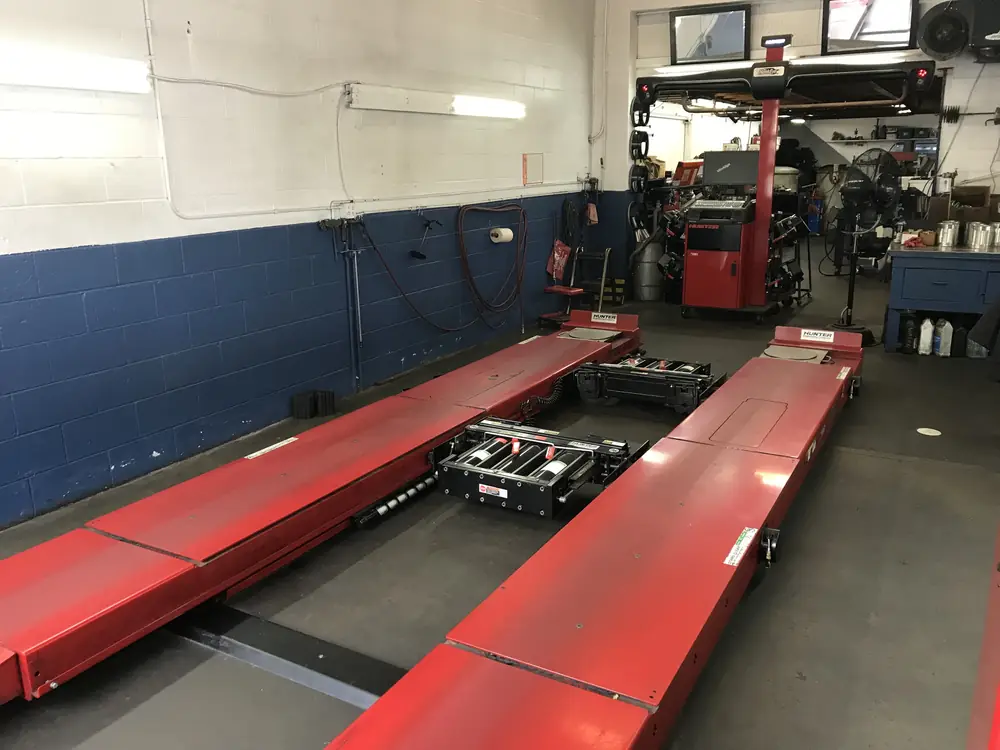
How to tell your alignment is out
- The car pulls or drifts to one side on a straight, flat road
- The steering wheel sits off-center when you’re going straight
- Your tires are wearing more on one edge than the other
- The steering feels loose or vague, or the car wanders in its lane
- You recently hit a pothole or a curb hard
Proper alignment matters for getting the most life out of your tires, and for how the car handles in an emergency. On average, it’s worth having the alignment checked every six months to a year.
What an alignment actually adjusts
Three angles decide how each wheel meets the road:
- Toe: whether the wheels point slightly in or out, viewed from above
- Camber: whether the top of the wheel leans in or out
- Caster: the tilt of the steering axis, which affects how the wheel returns to center
When any of them drift from the maker’s specification, the tires scrub instead of rolling freely. That costs you tread, fuel and steering feel.

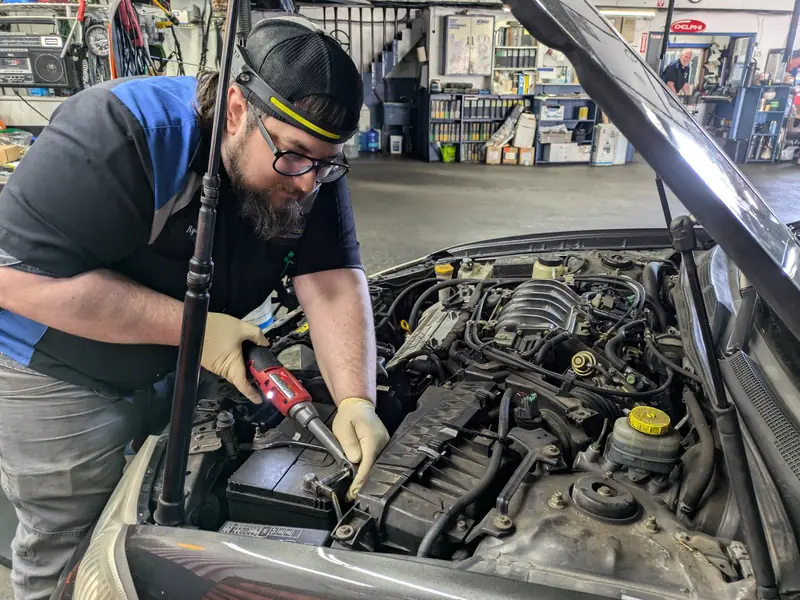
How we do it
- We check tire pressure and tire wear, since both tell a story.
- We measure the current alignment on our equipment and compare it to factory specifications.
- We adjust camber, caster and toe back to where they belong.
- We road test the car to make sure we got it right.
While we’re at it, we take a quick look at the brakes and at the steering and suspension parts. An alignment won’t hold if a tie rod or ball joint is worn, so if we find one, we’ll show you. That work is covered on our suspension and steering page.
One thing we don’t do
We don’t sell tires. We just help the ones you have last as long as they should. And if a pothole is what knocked things out, our post on the danger of potholes explains what else to watch for.
Call and get the kind of wheel alignment Lynnwood drivers have depended on for more than 75 years.